
Substrates for Incubating Snake Eggs Vermiculite & Perlite
Vermiculite & Perlite Overview
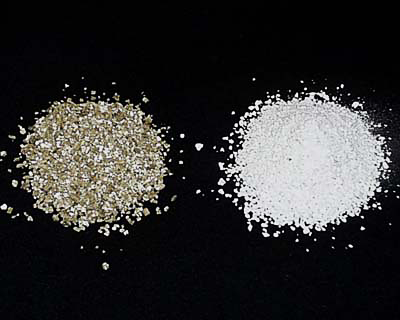
Vermiculite Perlite Photo Snake Keeper
In this guide, we’ll look at the most common substrates for incubating snake eggs, focusing on how to use vermiculite and perlite safely.
Part 1: Vermiculite
What it is: Vermiculite is a naturally occurring, exfoliated volcanic mineral that expands when heated. It becomes soft and spongy when damp, making it the most widely used and trusted incubation substrate for snake eggs among breeders.
Key Properties:
-
Excellent moisture retention – absorbs several times its weight in water and slowly releases it throughout incubation, maintaining consistent humidity
-
Sterile & inorganic – naturally neutral pH discourages fungal and mold growth
-
Thermal insulation – helps maintain a stable temperature around the eggs
-
Soft, supportive texture – provides gentle support for developing eggs
-
Non-toxic & odorless – safe for reptiles
How to Prepare:
-
Use fine to medium grade vermiculite (free of asbestos)
-
Mix with distilled or reverse osmosis water at a ratio of approximately 1:1 by weight (e.g., 200 g vermiculite to 140 g water)
-
The correct consistency: the mix should hold together when squeezed but not release water under firm pressure (think "snowball" test)
-
Place in a clean, vented incubation container (plastic deli cups are common)
-
Bury eggs about ½ to ⅔ of the way into the substrate
Tips:
-
If using a vented container, monitor moisture and add small amounts of distilled water as needed during the incubation period
-
New, commercially packaged vermiculite is sterile from the high-heat manufacturing process — no additional sterilization needed
-
Available at garden centers and reptile supply stores in fine-to-medium grade.
Best For: Most snake species including corn snakes, ball pythons, rat snakes, and colubrids. It is the go-to choice for beginners and professionals alike.

Hatchling Ball Python with Vermiculite Substrate
Part 2: Perlite
What it is: Perlite is another naturally occurring volcanic mineral (hydrated obsidian) that expands when heated, creating a bright white, highly porous, lightweight material. It's prized for its superior aeration and drainage compared to vermiculite.
Key Properties:
-
Excellent aeration & drainage – allows more airflow around the eggs, reducing the risk of waterlogging, egg rot, and fungal issues
-
Lightweight – easy to handle and manage in incubation setups
-
Sterile & pH-neutral – inert and chemically safe
-
Moisture retention – retains water but releases it more quickly than vermiculite
-
Firm beads – stay relatively firm in both dry and wet forms, so they don't compact as easily
How to Prepare:
1. Use coarse ground perlite (3–6 mm) for
maximum surface area
2. Mix with distilled water at a ratio of approximately 1:1 by weight
3. Correct consistency: perlite should look moist but not dripping — it should surround the eggs with humidity rather than soaking them
4. Place in a clean incubation container
5. Bury eggs to a similar depth as with vermiculite (½ to ⅔)
Tips:
-
Perlite requires more frequent moisture monitoring than vermiculite because it dries out faster
-
Make sure the perlite is chemical-free (no Miracle-Gro or additives) — check for any chemical smell when opening the bag
-
Some breeders find perlite easier to manage because it's forgiving on moisture — it's harder to oversaturate
-
Can be used in laying boxes to keep eggs clean (no staining from organic bedding)
-
Available at garden centers and reptile supply stores; ensure it is chemical-free and additive-free.
Best For: Breeders who want better aeration, those in higher-humidity environments, or anyone who finds vermiculite too prone to mold. Also great as a component in blended mixes.

Ball Python eggs on perlite substrate
Here’s a quick side‑by‑side look at both substrates.
Pro Tip: Many experienced breeders use a blend — a common mix is 3 parts vermiculite to 1 part perlite — combining vermiculite's moisture retention with perlite's aeration for a more stable microenvironment.
Once your bin is set up, visit our Care maintenance sheets and Quick Care Guide page to make sure your hatchlings have everything they need to thrive.
We hope this information helps. Thank you for your time. Best of luck,
Living Art Reptiles™.
Source Information: Living Art Reptiles, Joe Compel Reptiles, Snake Keeper, and VPI.
Photos: Living Art Reptiles, and Snake Keeper.
-
Disclaimer: please read before using this site. Any information posted on this web site is for general entertainment and educational purposes only, and should not be construed as medical advice, medical opinion, diagnosis or treatment. Any information provided by this web site is not a substitute for actual medical attention. Always promptly consult your licensed veterinary health-care professional for your pet's medical advice and treatment.
Experience Living Art!
Design 1988-2026, Living Art Reptiles™, Content 1988-2026 Living Art Reptiles™; Unless otherwise stated.